South African retailers lose an estimated R8 billion to R10 billion a year to shrinkage, according to the Consumer Goods Council of South Africa, with shoplifting spikes of around 20% recorded in Gauteng and the Western Cape in recent years. Most of that money has been spent against a backdrop of retailers already investing heavily in CCTV cameras. If cameras alone were solving the problem, the losses wouldn’t keep climbing the way they have.
That’s not a knock against CCTV. It does exactly what it’s built to do. The issue is that what it’s built to do, record and document, is a different job to what most loss prevention managers actually need, which is to stop theft before it’s completed. This guide compares CCTV and security fog honestly, looks at the gap between them, and shows where using both together gets you further than either one on its own.
What CCTV cameras Do Well
CCTV is the go-to choice in retail security for good reason. It gives you:
- Evidence for prosecution, footage that supports criminal charges and civil recovery against people who are identified.
- Staff accountability, a documented record of till activity, stockroom access, and shift conduct.
- Liability protection, footage that helps resolve disputes over slip-and-fall claims, refund fraud, or complaints about staff conduct.
- Operational insight, footfall patterns, queue times, and layout data that’s useful well beyond security.
- Some general deterrent effect, since a visible camera puts off a portion of opportunistic theft just by signalling the store is being watched.
These are genuine, useful benefits. Nothing here is an argument for ripping CCTV out.
Where CCTV’s Role Ends
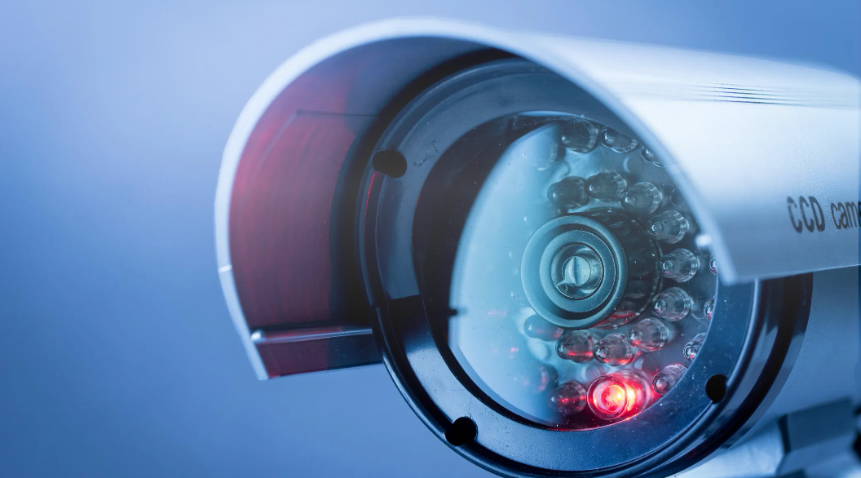
The limitation isn’t a flaw in any particular camera system, it’s structural. CCTV is a reactive tool. It captures what happened. On its own, it doesn’t stop a theft while it’s in progress.
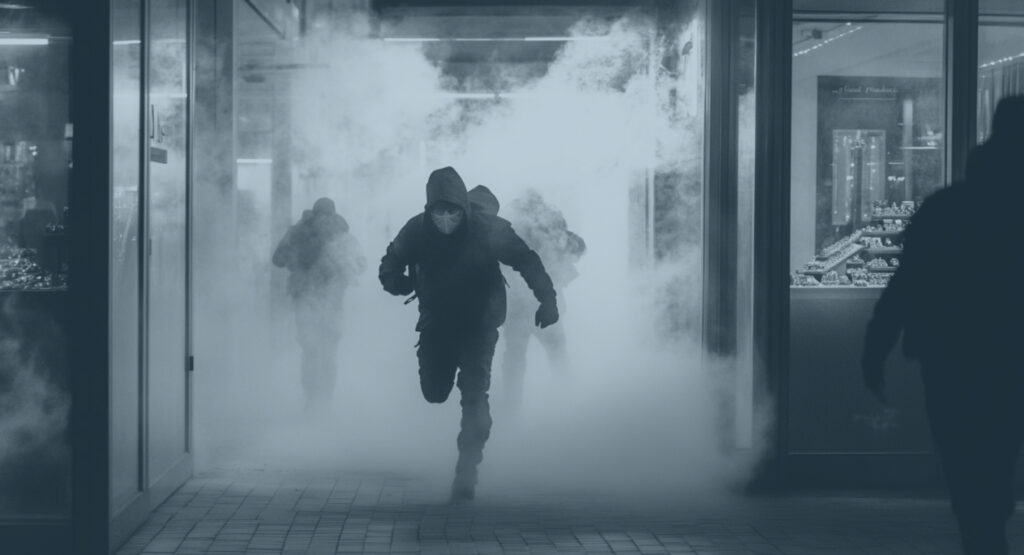
Organised retail crime groups, which make up a growing share of losses in South Africa, increasingly factor CCTV into their planning rather than being put off by it. They know footage helps with prosecution after the fact, but it does very little to disrupt a coordinated theft while it’s actually happening, especially in fast grab-and-run incidents that are over in under a minute.
For a loss prevention manager, that’s the uncomfortable truth behind rising shrinkage figures despite heavy CCTV spend. A system built to answer “what happened” can’t also be the system that answers, “how do we stop it from happening.”
What Is Security Fog?
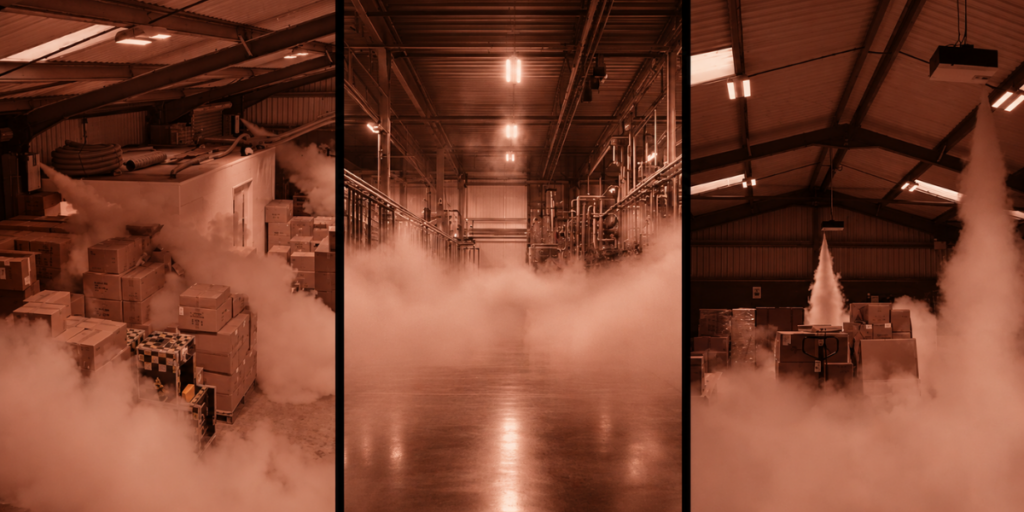
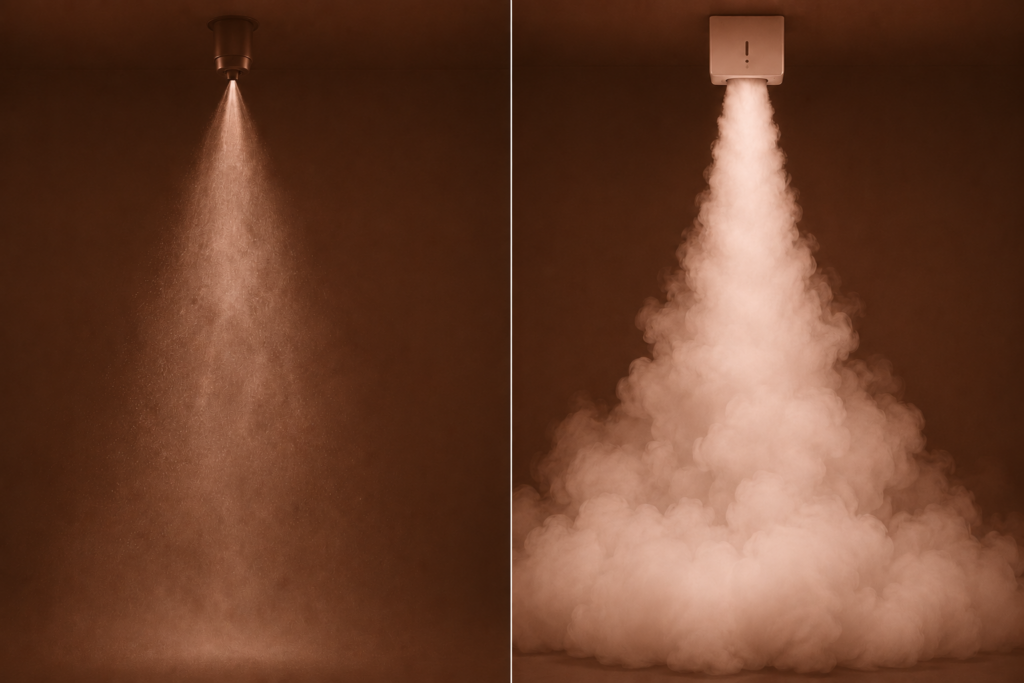
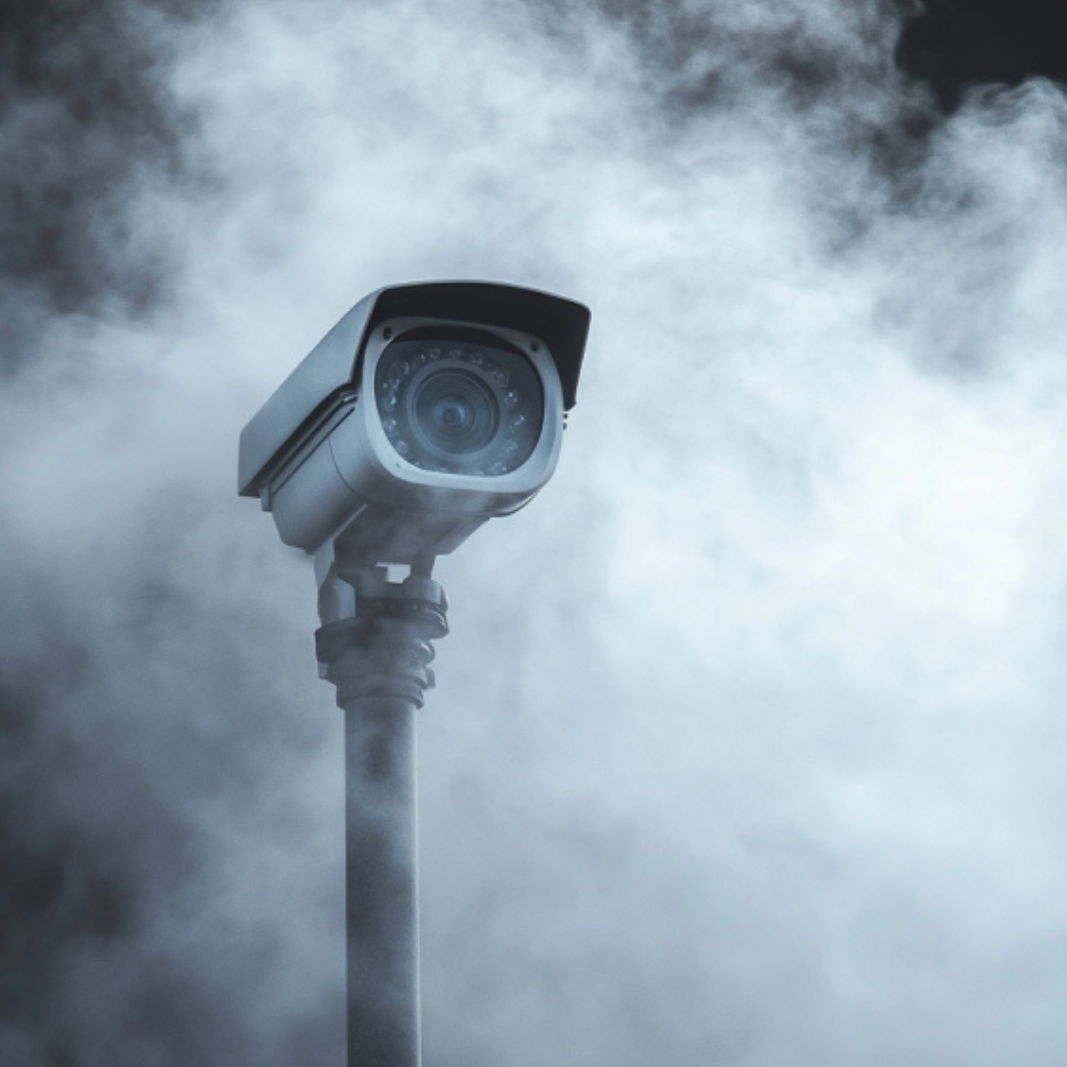
Security fog is an automated deterrent that fills a protected space with a dense, harmless fog within seconds of an alarm being triggered, wired directly into the existing intruder alarm. Concept Smoke Screen has been manufacturing these systems for thirty years, and the mechanism is simple and physical rather than digital. An intruder who suddenly can’t see can’t reliably find stock, tills, or the exit, and the shock of instant, total obscuration is a strong active deterrent on its own.
Where CCTV’s value is entirely after the fact, security fog’s value is entirely in the moment. It acts during the incident, right when the alarm is triggered, without waiting on a human decision or a call to a monitoring centre.
Security Fog as an Active Deterrent
Stops theft in progress, not after it’s happened. Fog fills the room within seconds of being triggered, faster than any response team could arrive, and without anyone needing to make a real-time call.
Disorientation gets in the way of finishing the job. Someone who can’t see the stock, the exits, or their accomplices can’t efficiently complete a theft, no matter how well they planned the entry.
It covers the exits too. Because fog fills the whole protected area rather than one spot, it also affects the routes an intruder needs to use to leave with anything they’ve taken.
No staff decision required. Deployment is automatic and tied to the alarm system, there’s no delay waiting on a keyholder, a call to a monitoring centre, or someone pressing a button.
An established deterrent. Security fog has built a solid reputation in retail and commercial security over three decades, specifically because it works as a deterrent, not just as a barrier.
Lower liability than an active-force response. Fog is non-toxic and non-corrosive. It doesn’t strike, restrain, or chemically affect anyone in the space, which keeps its risk profile well below other active-response options.
CCTV vs. Fog: Different Jobs
Why They Work Together
The comparison above isn’t really an argument for choosing one over the other. It’s a reminder that CCTV and security fog solve two different halves of the same problem. CCTV documents what fog doesn’t stop, and fog stops what CCTV can only record afterwards. A retailer relying on CCTV alone ends up with good evidence and a shrinkage line that keeps climbing. A retailer using both has an active deterrent in the highest-risk zones and a full evidential record everywhere else.
A practical combined approach looks something like this:
The two systems run independently but complement each other. Fog acts in the seconds that matter most, and CCTV documents the whole event for any prosecution or insurance claim afterwards.
CCTV covering the whole retail floor, entrances, and stockroom for ongoing monitoring and evidence.
Security fog deployed at the highest-value zones, safes, high-value display cases, stockrooms, and exit points, triggered by the existing alarm system.
Real-World Scenarios
- Electronics retailer, high theft and high value. CCTV throughout the store, with fog covering the high-value aisle and till points as the active layer.
- Jewellery store. Multiple fog zones around display cases and the safe, alongside full CCTV coverage for evidence.
- Supermarket, high footfall and tight margins. Fog positioned at self-checkout zones and exits, CCTV covering the whole store for security and operational insight.
- Luxury goods retailer, an organised crime target. Fog with immediate alarm-linked activation, paired with CCTV monitoring for incident review and cooperation with police.
- After-hours warehouse or back-of-house stockroom. An automated fog trigger with no staff present, CCTV recording the whole incident for any follow-up.
Cost Considerations
CCTV costs are ongoing and scale with the number of cameras, storage retention needs, and any live monitoring contracts. Security fog installation ties into an alarm system you already have, and the ongoing cost is limited to fluid replenishment, a lower and more predictable recurring cost than expanding a camera and storage network. Neither system replaces the other’s cost, they’re complementary line items covering complementary risks. A proper cost calculation should weigh both against the cost of incidents you don’t prevent, not compare the two as substitutes for each other.
Installation and Integration
Security fog is designed to work integrate with an existing intruder alarm panel rather than needing a standalone control system, so it can usually be added to a premises that already has CCTV and an alarm in place without any conflict between the two. There’s no overlap between a camera network and a fog generator triggered by the alarm loop, they run on entirely separate signal paths.
Talk to Smoke Screen
If your current setup is CCTV only and shrinkage is still climbing, the gap probably isn’t more cameras. It’s more likely an active layer that steps in while the incident is happening, not after.
- Book a retail security assessment to find out where CCTV alone is leaving a gap
- See a live security fog demonstration
- Talk to a loss prevention specialist about a combined CCTV and fog approach for your floor plan
Courtney Tupper